Poultry Farming

Mission

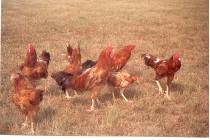
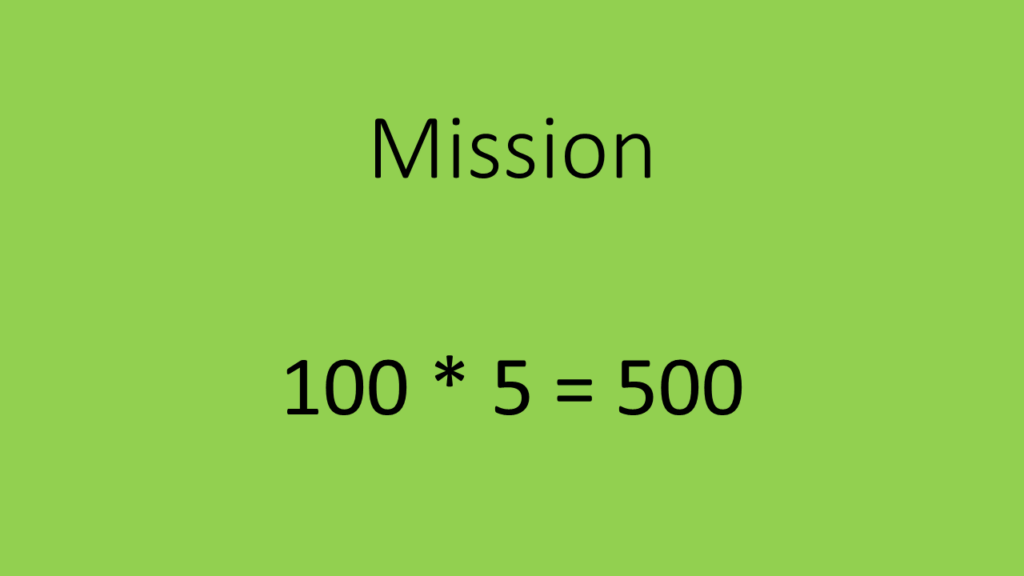
Our mission for the next five years is to develop 500 entrepreneurs doing Backyard (=Free Range) Poultry Farming, each with a capacity of up to 500 Birds.

Average target is 100 entrepreneurs per year, or 500 over next five years.

Benefitting from Demographic Dividend

To capitalize on the Demographic Dividend that India is reaping, it is essential that youth is engaged in making meaningful contributions to the growth of the Indian economy. A good way is to become an entrepreneur, employ oneself and employ others.

Why Poultry Farming?

We have chosen backyard (free-range) poultry farming as a focus area for developing entrepreneurs. Egg consumption in India is relatively low — 4.09 kg per capita per year, compared to 21.96 kg in China (as of 2021). Promoting poultry farming also addresses the need for additional low-cost protein in the traditional Indian diet.
Oyster mushrooms have been selected as a starting point because they are easy to grow and widely consumed worldwide.

Critical Success Factors

In the backyard (free-range) poultry farming system, small farmers are better able to compete with large commercial growers (who typically raise 5,000 or more birds). Commercial growers rely heavily on manufactured feed, which is expensive. In contrast, backyard farmers allow their birds to roam freely, enabling them to meet much of their protein needs through natural sources like insects and plants, significantly reducing feed costs.

Secondly, backyard poultry farming requires a smaller initial investment and can be scaled up gradually over time.

Thirdly, indigenously developed breeds, while somewhat less productive, are more resistant to diseases, thereby reducing the risk of losing an entire flock.

Stage 1

Activity: Formal Trainings in Poultry Faming
Duration: 1 Month
Production: Nil

Stage 2

Activity: Apprenticeship under Poultry Farmer with Experience in the Poultry Farming (500 Birds)
Duration: 2 Months
Production: Nil

Stage 3

Activity: Independent Operation for Domestic consumption
Duration: 2 Months
Production: 10-25 Birds

Stage 4

Activity: Expansion to Commercial Level-A
Duration:  6 Months
Production: 50-100 Birds

Activity: Expansion to Commercial Level-B **
Duration:  8 Months
Production: 200 Birds

Activity: Expansion to Commercial Level-C
Duration:  12 Months
Production: 1000 Birds

Guiding Youth to Entrepreneurship

Four-Stage Development Model for Poultry Farming

We provide hands-on support to aspiring young individuals through our structured Four-Stage Development Model for poultry farming. This guided approach ensures they gain the necessary skills, experience, and confidence to transition from learners to independent entrepreneurs in the field. Our step-by-step mentoring process empowers them to establish and sustain their own successful poultry farming ventures.

** After Stage-4B, one can could consider adding a Hatchery for own use. And/or production of broiler chicken if personal beliefs & attitude permit.

Mentor to Hand-hold

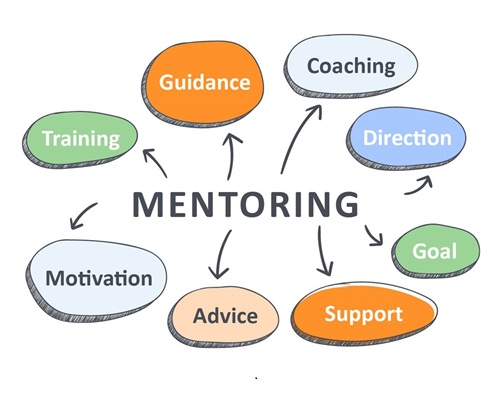
There will be one Mentor over 5-10 Entrepreneurs; to keep track of progress, and encourage when set-backs come or motivation flags or lethargy sets in.

The mentor will be separate from the Experienced Businessman under whom the prospective Entrepreneur will do the Stage-2 Apprenticeship.

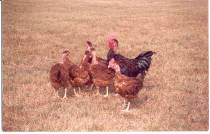
Improved Indigenous Breeds for Backyard Poultry

Cari Nirbheek
Cari Shyama
Upkari
Hitkari
Weight at 20 week Male (Kg)
1.85
1.46
1.69
1.76
Weight at 20 week Female (Kg)
1.35
1.12
1.29
1.32
Age at Sexual Maturity (Days)
176
170
165
178
Annual Egg Production (Nos.)
198
210
220
200
Egg Weight at 40 Week (Grams)
54
53
60
61
Fertility
88%
85%
90%
92%
Hatchability (FES)
81%
82%
84%
82%

Kadaknath

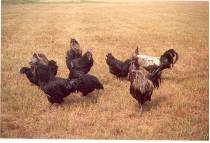
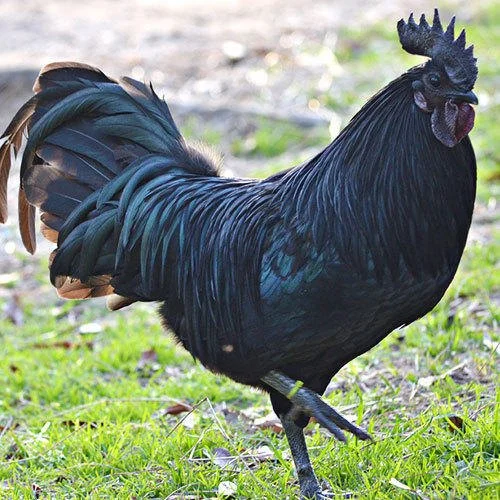
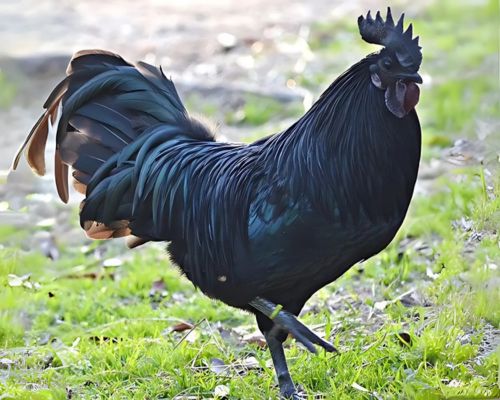
A native Indian breed of poultry from Chhattisgarh (on left) is becoming popular due to heathier meat and eggs

Kadaknath

Kadaknath is a native Indian poultry breed from Chhattisgarh, known for its unique black feathers, skin, and bones. It lays dark-colored eggs that are rich in nutrients. Due to its distinctive appearance and higher protein content, Kadaknath is gaining popularity in poultry farming and traditional breeding practices.

Kadaknath also holds cultural and traditional significance in many tribal communities across central India.

Scroll to Top