

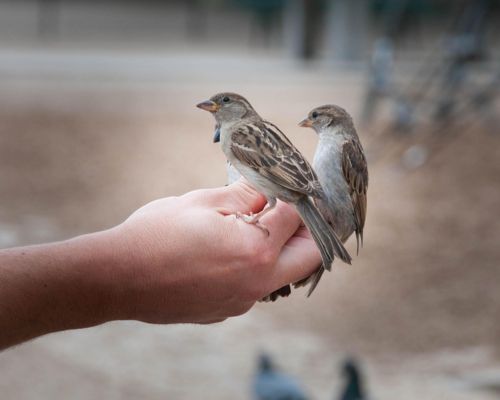

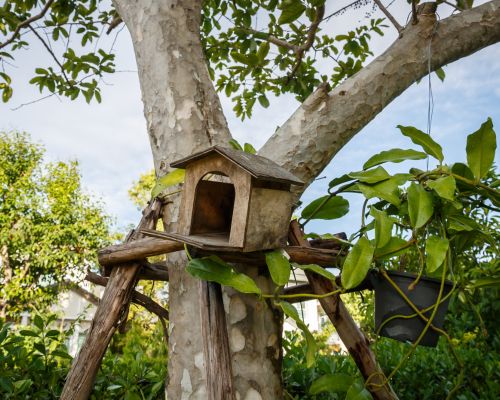


Our mission for the next five years is to install Sparrow Nests in 1000 homes in cities.
Average target Sparrow Nests in 200 homes in cities per year, or 1000 over the next five years.
By this, we aim to
The House Sparrow became associated with humans and human habitation, around 10,000 years ago. The bird spread, along with agriculture, from the Middle East to the rest of the world. Its population has been declining globally in recent decades.
In India, we find House Sparrow mentioned in Vedic (Yajurveda), Buddhist, & Jain literature.
Most smriti texts prescribe expiation (act for atoning for the sin) for killing the House Sparrow.
House Sparrows are still the most common bird in India but their population has been declining. Fifty years ago, they could be found making nests in most houses and cheering up the atmosphere with their incessant chirping in the morning and evening. Now in major cities such as New Delhi, Mumbai, and Kolkata; House Sparrows have largely vanished.
World Sparrow Day is celebrated on 20th March in India and many other countries.
It highlights the importance of sparrows in our ecosystem and raises awareness about their declining population.
This day encourages people to create sparrow-friendly environments in their homes and communities.
Delhi and Bihar have declared the sparrow as their state bird, recognizing its cultural and ecological significance.
|
English
|
House Sparrow
|
|
Hindi
|
Gauraiya (गौरैया)
|
|
Tamil
|
Vīṭṭuk kuruvi (வீட்டுக்குருவி) |
|
Sanskrit
|
Kalaviṅka (कलववङ्क) |
|
Sanskrit
|
Caṭakā (चटका)
|
|
Zoological
|
Passer Domesticus
|
Flat No. 804, Tower II, Sector-43, Gurgaon, Haryana, India, 122001
hello.harmonyonline@gmail.com
+91 8144638390